
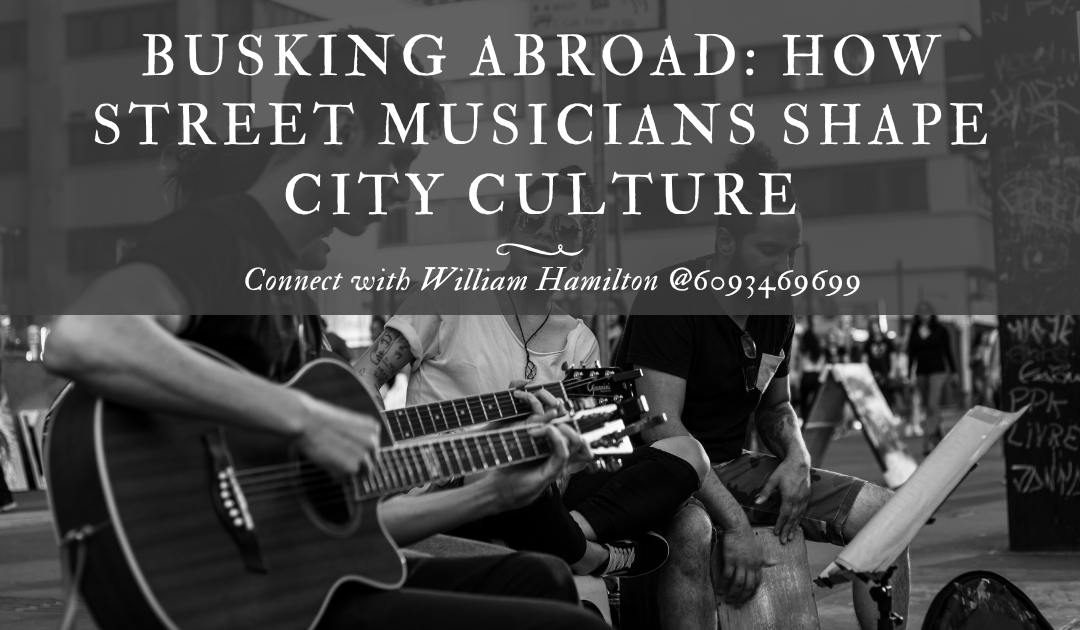
In cities around the world, the presence of street musicians adds a unique rhythm to daily life. From bustling plazas in Europe to quiet alleyways in South America, buskers breathe life into public spaces. They play violins under archways, strum guitars on subway platforms, and tap rhythms on overturned buckets. For travelers and locals alike, these performances are often unexpected gifts—reminders of the creative spirit that thrives in even the busiest urban environments.
Street music has been a part of city life for centuries. In many places, it’s not just tolerated but celebrated as an essential aspect of the cultural experience. Cities like Paris, Berlin, New York, and Barcelona have long histories of supporting busking, offering designated spaces and even permits to encourage it. These musicians, often self-taught or professionally trained artists between gigs, turn sidewalks into stages and engage passersby in ways that traditional venues can’t.
Busking also plays a crucial role in shaping the cultural identity of a city. In Dublin, the sounds of folk and indie music drift along Grafton Street, telling the story of Ireland’s rich musical heritage. In Havana, Cuban rhythms echo through plazas, connecting locals to their Afro-Caribbean roots. In Tokyo, futuristic synth performances reflect the city’s tech-forward spirit. Each city’s musical flavor becomes part of its atmosphere—helping to define the way people feel when they walk through it.
Beyond entertainment, busking fosters human connection. Street musicians often perform without barriers, allowing for spontaneous interaction between artist and audience. Unlike concert halls where performances are structured and distant, street music creates shared moments of vulnerability and joy. A saxophonist’s soulful solo might halt pedestrians in their tracks, drawing strangers into a shared pause. In these moments, music breaks social boundaries and unites people from different walks of life.
The impact of busking on tourism is another important aspect. Many travelers fondly remember the music they heard while exploring a new destination. A haunting melody in Prague’s Old Town or a jazzy tune floating through New Orleans’ French Quarter can imprint itself on a traveler’s memory. These musical moments become part of the story they take home. As such, street musicians are not just performers—they are cultural ambassadors.
For the musicians themselves, busking can be both a creative outlet and a career stepping stone. Several globally recognized artists, such as Ed Sheeran and Tones and I, began their careers performing on the streets. It allows artists to hone their craft, build an audience, and receive immediate feedback. The raw, unpredictable nature of street performance also encourages resilience and creativity, qualities essential to any musician’s journey.
However, busking is not without challenges. Regulations vary widely from city to city, and some musicians face restrictions or fines. Noise complaints and competition for prime spots can add pressure to an already difficult path. Yet, many persist, drawn by the love of music and the freedom of performing for an ever-changing audience.
In recent years, digital platforms have opened new opportunities for street performers. Musicians now share their performances on social media, reaching global audiences and even generating income through online donations. QR codes and mobile payment apps are replacing tip jars, allowing buskers to keep up with the times while continuing to perform in public spaces.
Busking adds an invaluable layer of texture to the world’s cities. It transforms mundane commutes into musical interludes, introduces culture through sound, and creates moments of unexpected beauty. For both travelers and locals, the music heard on city streets becomes part of the city’s personality, enriching the experience of being there. Street musicians are storytellers, entertainers, and cultural contributors, and their presence ensures that city life always has a beat.